
The Future of Waterfront Commercial Real Estate
An in-depth analysis of the upcoming infrastructure projects and their impact on property valuations in Toronto's shifting shoreline.
Toronto is witnessing a historic transformation. The waterfront is evolving from a post-industrial frontier into a world-class innovation hub, backed by a $975 million tripartite government investment announced in January 2025.
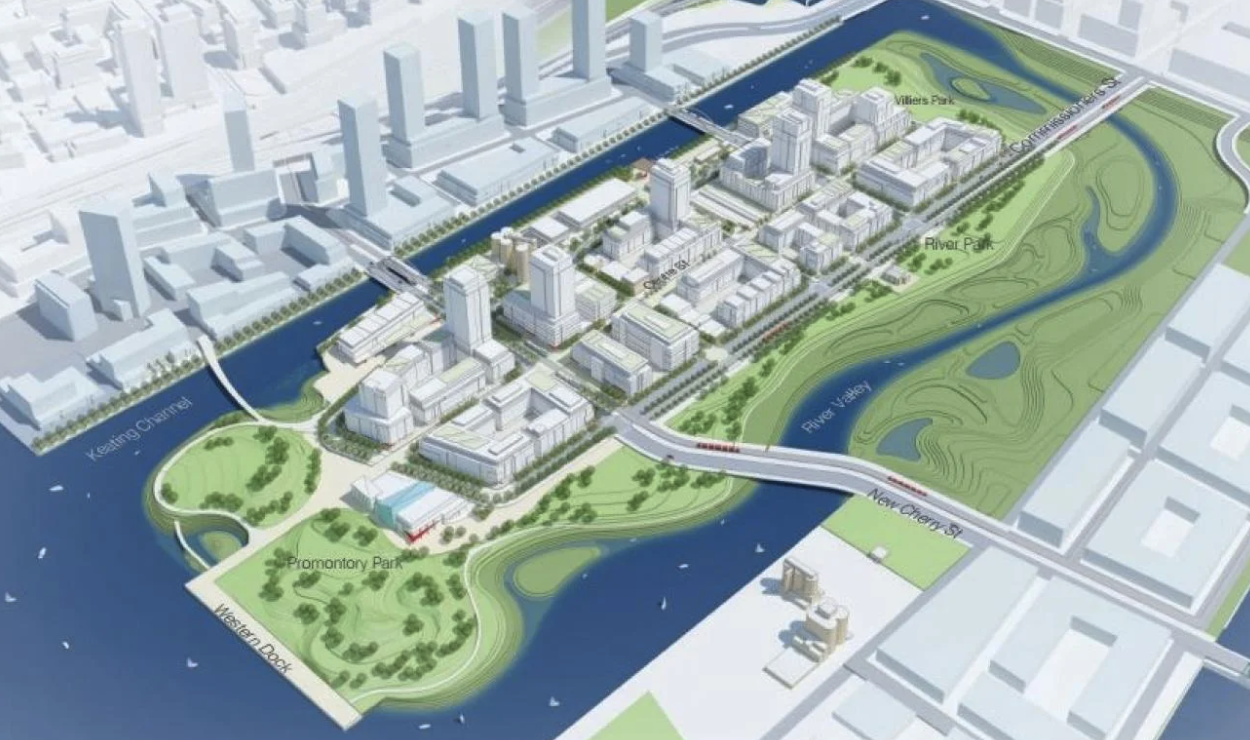
With billions in private and public investment flowing into the Port Lands and Quayside, the waterfront is the new center of gravity for Toronto's commercial growth. The flood protection project, nearing completion in 2025, has already renaturalized the Don River, creating Villiers Island (Ookwemin Minising)—a 40-hectare canvas for over 9,000 new homes and millions of square feet of commercial potential.
Waterfront East LRT & Connectivity
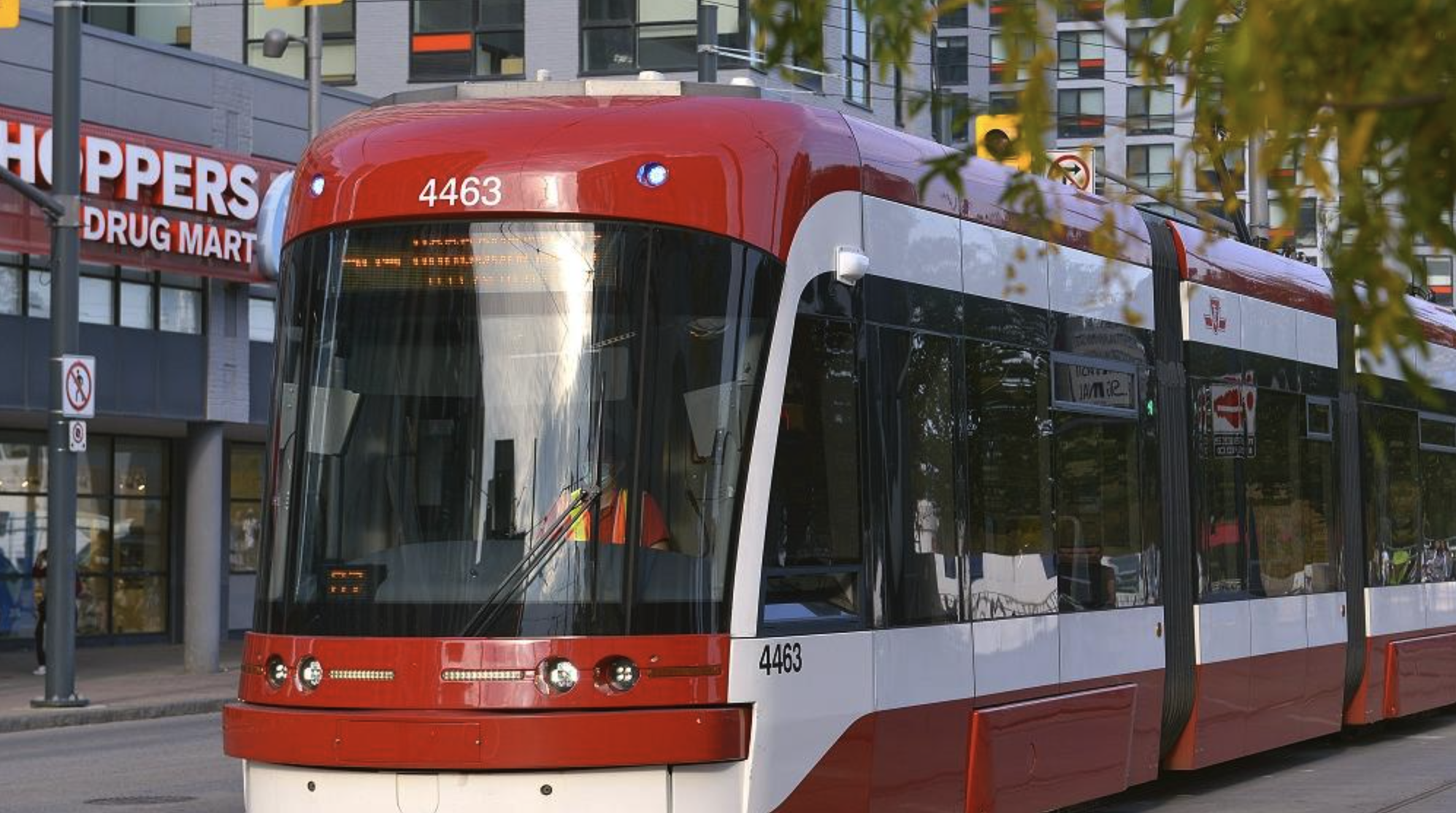
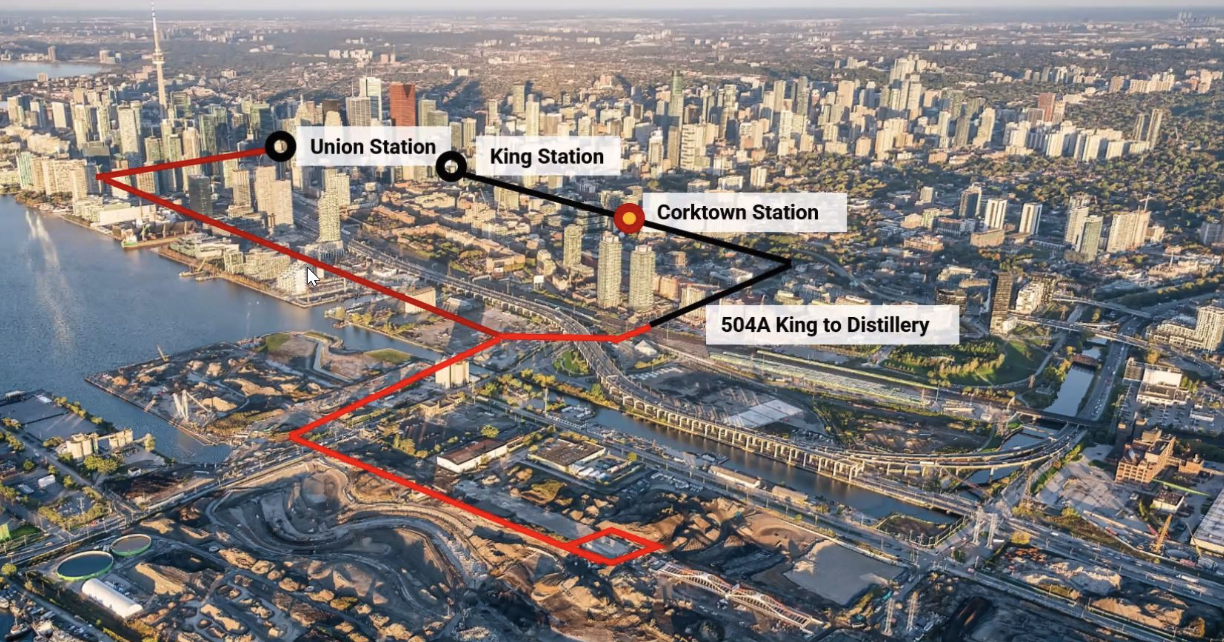
The Waterfront East LRT (WELRT) is the critical artery for this expansion. With 60% design completion expected by late 2025, the LRT will connect Union Station to the Port Lands, serving an anticipated 100,000 residents. In the interim, dedicated bus priority lanes and the new 114 Queens Quay East route are already establishing the transit-oriented nature of this corridor.
Quayside: A Future-Ready Community
Set to break ground in 2026, Quayside will deliver 4,700 residential units and 1,600 jobs. This 4.9-hectare development by Quayside Impact highlights a commitment to affordable housing and sustainable urban living, featuring a 1.5-acre community forest and rooftop urban gardening—redefining what a modern commercial-residential ecosystem looks like.
Villiers Island & Flood Protection
The $1.3 billion Port Lands Flood Protection project is one of the most ambitious infrastructure endeavors in Canadian history. By creating a new mouth for the Don River, Toronto has unlocked 240 hectares of land for development. Villiers Island (Ookwemin Minising) will emerge as a beacon of sustainable urbanism, blending high-density commercial space with expansive parklands and river-side trails.
Key Growth Drivers
Public Sector Commitment
The $975M commitment from federal, provincial, and municipal governments in 2025 ensures that infrastructure will keep pace with commercial and residential demand.
Innovation Districts
The transformation of the East Bayfront into a tech and media hub (including the Basin Media Hub) is attracting high-value corporate tenants to the waterfront.
Transit-First Design
WELRT and interim bus priority lanes mean the waterfront is designed for accessibility, a primary driver for office space valuation and retail traffic.